CATHODE
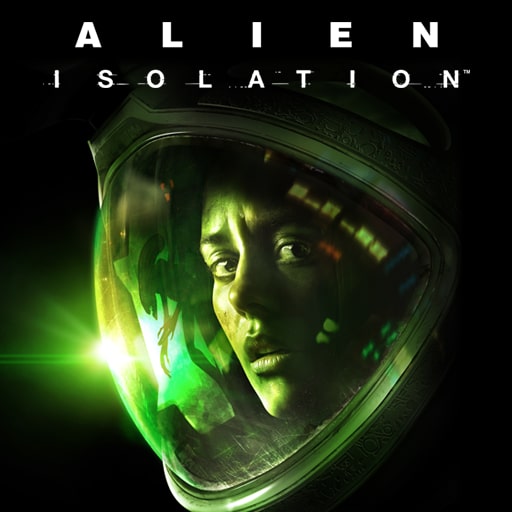
Cathode (styled as CATHODE) is an engine built by the Creative Assembly in partnership with AMD for the 2014 video game Alien: Isolation. It is a highly modified version of the engine created for an earlier title, Viking: Battle for Asgard. The trademark for Cathode's name was filed by SEGA on August 26th 2013, and eventually granted February 20th 2014. The Cathode engine was named after its bespoke node-based scripting functionality which allowed for live edit flowgraphs to control game logic. This system ran inside of a toolkit created for Cathode named the Creative Assembly Game Editor (CAGE) in a what-you-see-is-what-you-get (WYSIWYG) style. It allowed for the use of prefabs to quickly build upon existing scripts. The Cathode scripting system covered a range of systems including particles, lighting, props, AI scripts, audio, zoning, and character setup. When the Cathode scripting system was implemented into the engine during production on Alien: Isolation, a large portion of already completed work had to be scrapped or re-worked from old 3DS Max scripts, causing around 6 months worth of production scripts to be lost. The initial greenlight demo for Alien: Isolation was built with an early version of Cathode when work began to convert it from the Viking engine which featured just one shadow casting light source among other technical constraints. While early public demo and press builds of the game included a splashscreen for Cathode, references to it were removed in the final shipped game. The engine name was later added to store descriptions after its trademark approval in the EU, although the CAGE toolkit was never publicly released, despite being referenced heavily in the game's EULA. Cathode was built to ship to PS3, PS4, Xbox 360, Xbox One, and PC - however its primary title Alien: Isolation was later shipped to Nintendo Switch, MacOS, Linux, iOS and Android by Feral Interactive. Cathode provides platform-specific optimisations through two core systems: being "next-gen" flags in flowgraph scripting, and 32-bit and 64-bit binary builds. Flowgraph flags were typically used for optimising functionality like depth of field, whereas binary builds were used for enabling and disabling core functionality such as dynamic lights and environmental effects (such as animated monitors in Alien: Isolation). Notably Alien: Isolation's PC build utilises the 32-bit binary optimisations, yet the "next-gen" flowgraph optimisations. This was an oversight that was later corrected in the Windows Store build released in 2020 by Lab42.
Engine data sourced from IGDB.